
When planning a trip to Italy, many travellers ask the same question: is it better to pay with cash or card? Understanding how payments work in the country can help you manage your expenses more smoothly and avoid unnecessary stress once you arrive.
Italy offers a wide range of payment options. Credit and debit cards are widely accepted, especially in cities, hotels, restaurants, and large shops. Contactless payments are common and most travellers find it easy to pay electronically in many situations.
At the same time, cash still plays a practical role during a trip. Small purchases, local markets, tips, or quick everyday expenses are often easier to handle with coins or small banknotes. For this reason, many visitors choose to carry both payment methods, combining the convenience of cards with the flexibility of cash.
Do you need cash in Italy?
Cards are widely accepted across the country, especially in cities and tourist areas. However, having some cash available can still be useful for small purchases, local markets, tips, or quick transactions during your trip.
Finding the right balance between cash and card can make travelling in Italy easier, safer, and more convenient.
Using Cash in Italy: Pros and Cons
Cash remains a familiar and practical way to pay across Italy. Having euros in your wallet guarantees that you can make small purchases easily, whether you are buying a coffee, shopping at a local market, paying for a taxi, or leaving a tip at a restaurant.
For travellers, cash can also be helpful for quick everyday transactions where using coins or small notes is simply faster. Street food vendors, small stalls, or local events sometimes prefer simple cash payments, especially when purchases are small.
Another advantage of cash is better control over daily spending. When travelling, having a fixed amount of cash available can make it easier to manage your budget and keep track of expenses during the day.
However, there are also some considerations. Carrying large amounts of money is not recommended, and exchanging currency at the last minute—especially in busy travel areas—may not always offer the most convenient conditions.
For this reason, many travellers prefer to prepare their currency before departure, ensuring they have some euros ready for the first days of their trip.
Paying by card in Italy
Cards are widely used across Italy and are accepted in most places visited by international travellers. Hotels, restaurants, shops, and transportation services commonly accept credit and debit cards, and contactless payments have become increasingly popular.
Using a card offers several advantages. It reduces the need to carry large amounts of cash and allows travellers to track their expenses easily through bank statements or mobile apps. Many banks also provide security protections for international payments, which can offer additional peace of mind during a trip.
Despite these benefits, relying only on cards may not always be the most practical solution. Some small purchases, local vendors, or informal situations can still be easier to manage with cash. In addition, travellers may encounter ATM withdrawal limits or international banking conditions when accessing money abroad.
For this reason, many experienced travellers prefer to combine both payment methods, using cards for larger purchases and cash for everyday spending.
Should you use cash or card in Italy?
For most visitors, the most convenient approach when travelling in Italy is to use a mix of cash and card. This allows travellers to adapt easily to different situations during their trip.
Cards are ideal for larger expenses such as:
- hotel payments
- restaurant bills
- train tickets
- shopping in larger stores
Cash, on the other hand, can be useful for:
- small purchases
- tips and quick payments
- local markets or street vendors
- taxis or small services
Having both options available ensures that travellers are prepared for any payment situation, without having to worry about finding an ATM or exchange service immediately after arrival.
Preparing some cash before departure can also help travellers start their trip more comfortably, especially during the first hours in a new destination.
Using Forexchange: Preparing your currency before travelling
For many international travellers, organising currency before departure is becoming an increasingly popular choice. Ordering euros online in advance allows travellers to start their trip with cash ready to use, avoiding the need to search for exchange offices or ATMs immediately after landing.
Having some euros ready before arrival can be particularly useful for first travel expenses such as transportation from the airport, small purchases, or quick meals after landing.
Forexchange offers a convenient and reliable way to prepare your currency before travelling. Through its services, travellers can order euros online in advance and choose a convenient collection point, often located in major Italian airports and city centres.
Having some cash available from the beginning of the trip can make everyday situations much easier, whether paying for transportation, buying snacks, or making small purchases shortly after arrival.
In addition to currency exchange services, Forexchange also provides support for tax refund procedures for non-EU travellers, helping visitors reclaim VAT on eligible purchases made during their stay in Italy. This service can be particularly useful for travellers planning shopping experiences in cities known for fashion, design, and luxury goods.
By combining currency exchange with additional travel services, Forexchange helps travellers manage their money safely and conveniently while visiting Italy.
Practical tips for managing money in Italy
Planning ahead is one of the easiest ways to manage money effectively during a trip. Before travelling, it can be useful to estimate how much cash you might need for the first days of your stay, especially for transportation, small purchases, or tips.
Carrying both cash and cards is generally the safest option. Keeping them in separate places, such as a wallet and a travel bag, can also reduce the risk of losing access to money if one item is misplaced.
When using ATMs, withdrawing reasonable amounts rather than making frequent small withdrawals can also help simplify money management during the trip.
With a little preparation, travellers can enjoy the flexibility of modern payments while still having cash available whenever it is convenient.
Travel Italy Confidently with Forexchange
Travelling in Italy becomes easier when you plan how you will manage your money. Cards are widely accepted across the country, but having some euros available can still be useful for small purchases, local markets, tips, or quick everyday expenses.
Preparing your currency before departure allows you to start your trip with greater peace of mind and avoid searching for an ATM or exchange service immediately after arriving.
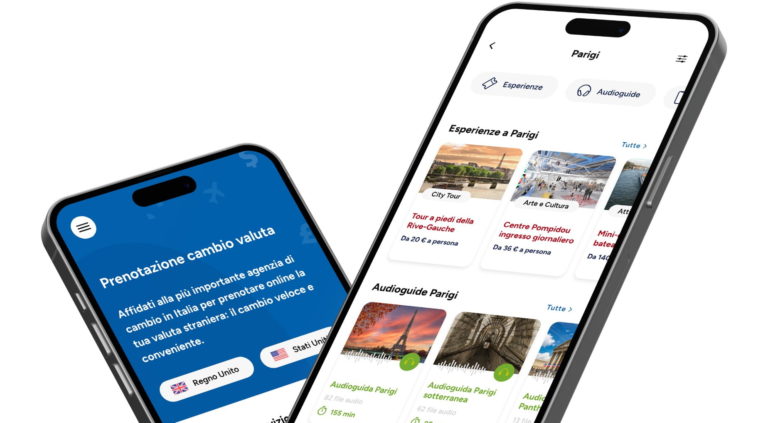
With Forexchange, travellers can reserve euros online before their journey, choosing from a wide range of international currencies and checking the exchange rate in advance. After selecting the currency and amount, it is possible to schedule a convenient pickup at a one of our branch, many of which are located in major airports and city centres across Italy.
Forexchange also offers Tax Refund assistance for non-EU travellers, helping visitors reclaim VAT (Value Added Tax) on eligible purchases made during their stay in Italy. This service can be particularly useful for travellers planning shopping experiences in cities known for fashion, design, and luxury goods.
By preparing your currency in advance and accessing additional travel services, travellers can focus on what really matters: discovering Italy’s cities, culture, food, and unforgettable travel experiences.