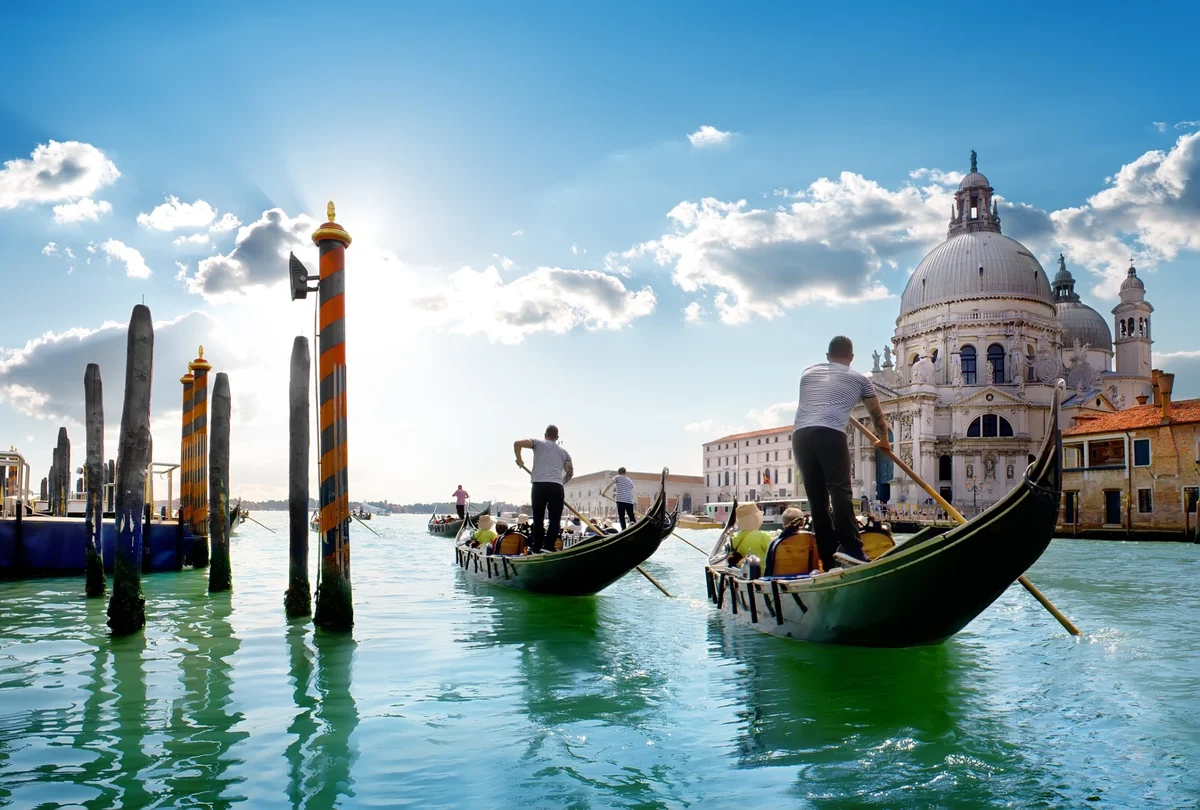
Planning a multi-city route through Italy is one of the most exciting ways to spend your summer vacations. The country’s geography allows you to wake up among the Renaissance architecture of Florence and fall asleep next to the ancient ruins of Rome.
However, multi-destination travel brings unique financial logistics. When you are constantly changing zip codes during a busy holiday in Italy, expenses like regional transit, local taxes, and daily dining can quickly become unpredictable.
The secret to successful budget travel isn’t about cutting out the experiences you love; it’s about creating a structured financial framework that moves with you. Here is a practical blueprint to navigating Italy’s iconic cities this summer without losing control of your wallet.
1. Optimize Your Multi-City Transit Strategy
Transportation can easily become a major budget leak if you buy tickets on a whim. To keep your transit costs fixed and predictable, match the right mode of transport to your specific route:
- The High-Speed Spine: For major stretches (e.g., Venice to Bologna or Milan to Florence), high-speed rail lines like Frecciarossa or Italo are unbeatable. Treat these like flights—book them a few weeks early to capture “Super Economy” fares, locking in low costs for your major travel days.
- The Regional Network: For spontaneous side trips—like heading from Florence into the heart of Lucca or Pisa—rely on the Regionale trains. Their prices are legally fixed based on distance, meaning a ticket bought five minutes before departure costs the exact same as one bought months ago.
- The Intercity Buses: If you are navigating routes where train lines are less direct (such as cutting across the country from Tuscany to the Adriatic coast), check long-distance bus operators like Itabus. They often offer comfortable, modern rides at a fraction of rail prices.
2. Anticipate City-Specific Financial Realities
A common mistake when moving between Italian hubs is assuming costs are identical everywhere. Every municipality operates with a degree of financial autonomy, which impacts your daily out-of-pocket expenses:
- The Tourism Tax (Tassa di Soggiorno): This local overnight fee varies significantly by city and accommodation class. A boutique room in Florence will carry a different nightly tax than a guesthouse in a smaller village. Always calculate these ahead of time, as accommodation platforms often omit them from the initial booking price.
- The Dine-In Cover Charge (Coperto): When tracking your food expenses, remember that sitting down at a restaurant incurs a small standard fee per person for service and bread. If you want a quick, budget-friendly lunch, do what the locals do: eat your panino or drink your espresso al banco (standing at the bar) to bypass this cost entirely.
3. Keep Your Cash Flow Fluid and Predictable
A successful multi-city summer trip requires a balance between digital payments and physical currency. While cards are widely accepted in major retail shops and hotels, Italy’s vibrant summer economy relies heavily on cash for day-to-day micro-transactions.
Whether you are paying a small entry fee at a rural historic site, buying fresh fruit at a local market, splitting a taxi fare, or purchasing a refreshing drink at a crowded beachside kiosk, having physical Euros on hand is essential.
However, pulling money from various local ATMs as you hop from city to city is a quick way to derail your budget. Unfamiliar bank machines often hit travelers with high out-of-network fees and unfavorable, non-transparent conversion rates.
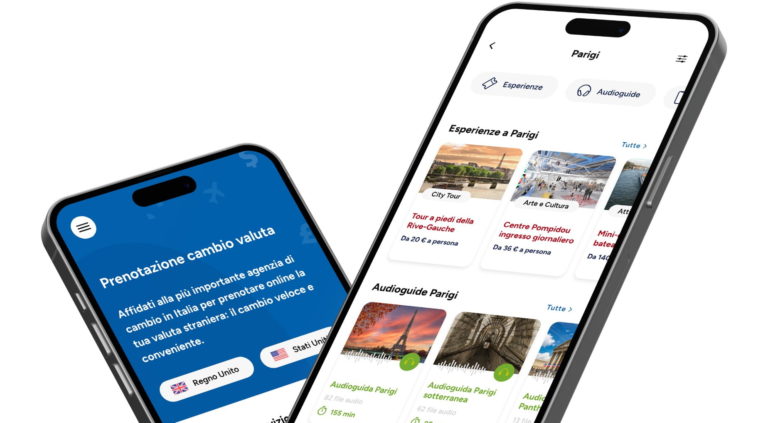
To maintain strict organization over your travel funds, it is wise to secure your physical currency before your journey begins. Utilizing an established service like Forexchange allows you to monitor exchange rates comfortably from home and reserve your Euros securely online. By bypassing standard commission fees and locking in your rate ahead of time, your holiday funds stay precisely within your planned limits. You can then conveniently collect your cash at major Italian airports or central urban train hubs right as you arrive, giving you immediate financial independence from day one of your summer in Italy.