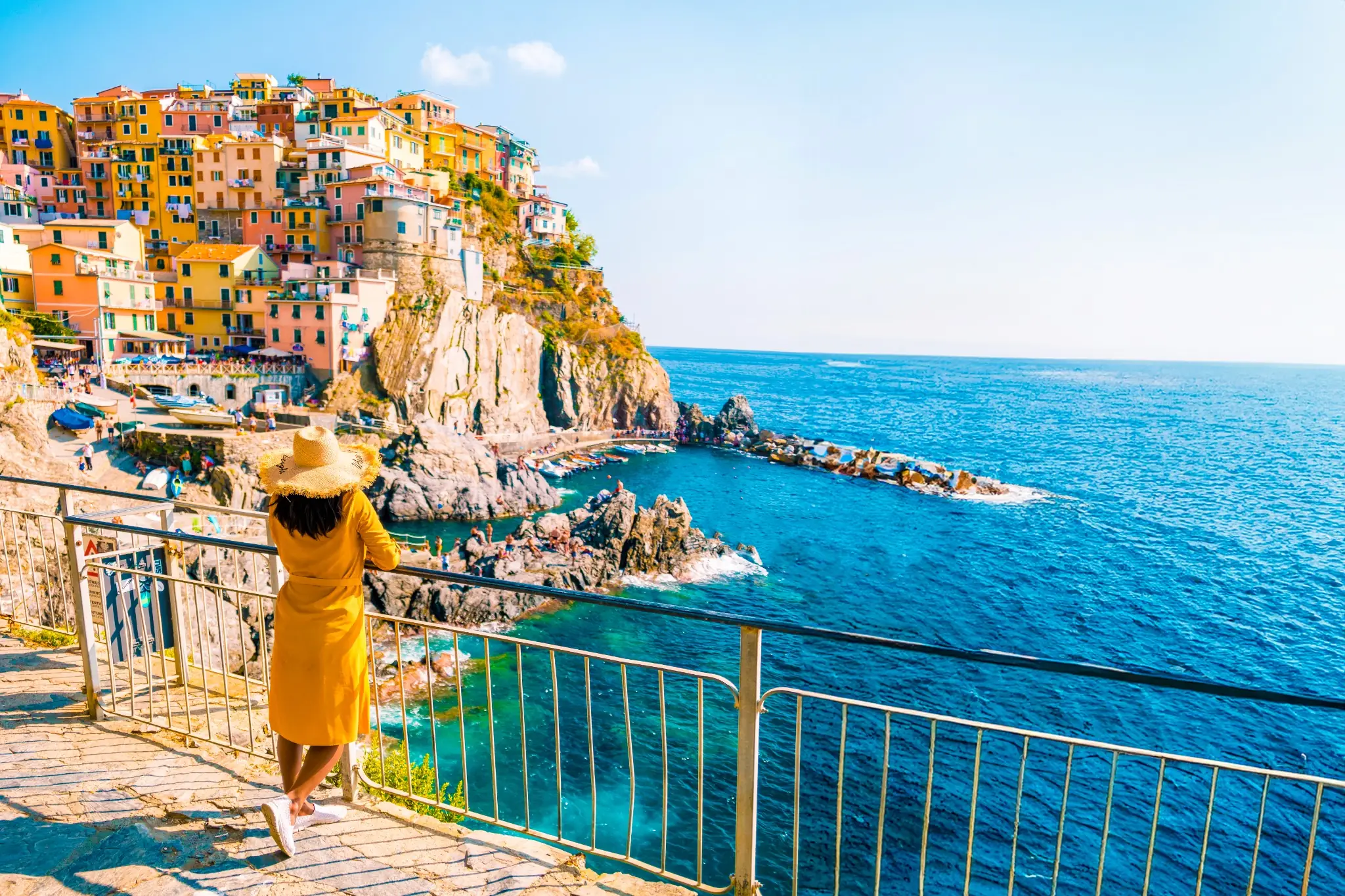
Planning family holidays to Italy is a dream come true for many. Whether you’re dreaming of sharing a massive pizza in a Roman piazza, exploring the ruins of Pompeii, or building sandcastles on the shores of Sardinia, Italy offers an unmatched backdrop for family memories.
However, traveling with children requires an extra layer of organization, especially when it comes to the budget. Between high-speed train tickets, museum entries, and the inevitable daily gelato stops, costs can fluctuate. This guide provides a practical roadmap for managing your family’s expenses, from transportation to dining, and how to handle payments with ease.
1. Transportation: Moving Your Family with Ease
Navigating Italy with kids is most efficient when you combine speed with forward planning. In many Italy destinations, how you move from A to B will be one of your most significant investments.
- High-Speed Rail: Italy’s network of high-speed trains is the “gold standard” for families. Connecting major hubs like Milan, Venice, Florence, and Naples, these trains are fast, comfortable, and offer plenty of space for strollers and luggage.
- Regional Trains: For day trips to smaller towns (like visiting Lucca from Florence), regional trains are incredibly affordable and don’t require advance booking, offering you more flexibility if the kids need a slow morning.
- Car Rentals: If your heart is set on the countryside of Tuscany or the rugged coast of Puglia, a car is essential. Just remember to budget for parking fees and be aware of “ZTL” (Limited Traffic Zones) in historic centers to avoid unexpected fines later.
- Budgeting Tip: Allocate roughly €70–€130 per day for a family of four for intercity and local transport.
2. Activities: Experiencing Culture on a Budget
While Italy is an “open-air museum” where much of the beauty is free, some of the most famous family holidays to Italy involve ticketed attractions.
- Skip-the-Line is Mandatory: Waiting in a two-hour queue with restless children can ruin a day. Always book “Skip-the-Line” tickets online for major monuments.
- Free First Sundays: If your trip coincides with the first Sunday of the month, take advantage of free entry to many state-run museums and archaeological sites across the country.
- Parks and Piazzas: Balance “heavy” culture with downtime. Public parks like the Villa Borghese in Rome or the Boboli Gardens in Florence are perfect for letting kids run free.
- Drinking Water: Italy is famous for its public drinking fountains. They provide cold, high-quality water for free. Bringing reusable bottles for the whole family can save you €10–€15 a day on bottled water.
- Budgeting Tip: Set aside €20–€35 per person, per day for entrance fees and specialized family tours.
3. Dining: Feeding the Whole Family
Italian food is naturally kid-friendly, but dining out three times a day requires some strategy.
- The “Coperto”: When you sit down at a restaurant, you will usually see a small “coperto” (cover charge) of €1–€3 per person on the bill. It’s a standard practice that covers bread and service.
- Al Taglio and Street Food: For a quick and cheap lunch, look for Pizza al Taglio (pizza by the slice). It allows everyone to choose their favorite topping and usually costs just a few euros per slice.
- The Power of the Gelato: Budget for at least one gelato a day. It’s an essential part of the Italian experience!
- Budgeting Tip: Estimate €50–€80 per adult and €30–€45 per child per day for a mix of casual meals and one nice sit-down dinner.
Cash or Card: What’s Better for Families?
As we’ve explored in our guide on whether cash or card is better in Italy, the best approach for a family is a balanced mix of both.
While cards are widely accepted in hotels, large shops, and most restaurants, having cash is vital for the “small things” that make a family trip go smoothly:
- The Gelato Stop: Many small gelaterias or bars prefer cash for transactions under €10.
- Local Markets: If you’re buying fresh fruit or souvenirs at a local market, cash is often the only option.
- Taxis and Tips: While many taxis now take cards, having cash ensures you aren’t stuck if the terminal is “out of order.”
- Public Restrooms: Many public toilets or those in train stations require a small coin (usually €0.50 to €1) to enter.
Keeping your cards and cash in separate, secure places is a smart move for family safety, ensuring you always have a backup.
Streamline Your Journey with Forexchange
The secret to a stress-free family adventure is arriving prepared. By organizing your currency before you set off, you bypass the hassle of hunting for ATMs or navigating high-fee exchange desks while juggling luggage and tired kids.
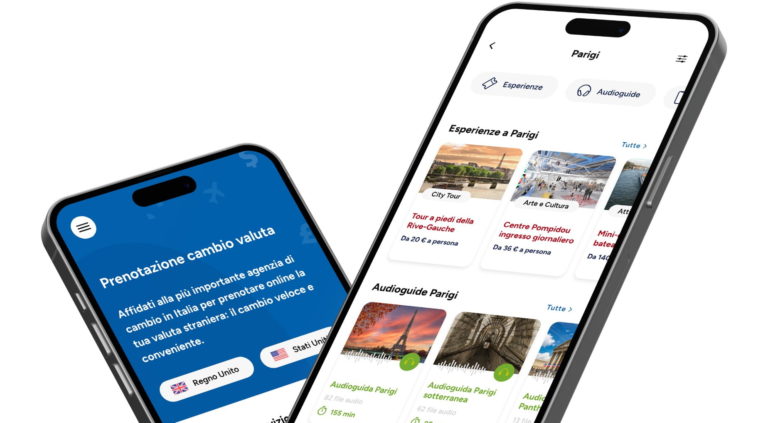
Through the Forexchange, you can reserve your Euros online at competitive rates. Once reserved, simply pick up your cash at a branch that fits your itinerary—whether that’s at a major Italian airport upon landing or in a central city location. This ensures you have immediate funds for that first taxi ride or a much-needed snack for the little ones. For families visiting from outside the EU, Forexchange provides an added advantage with Tax Refund assistance,. If you’ve spent the afternoon shopping for world-class Italian fashion or leather goods, this service helps you reclaim the VAT on your purchases, putting more money back into your travel budget. By handling your currency and tax needs ahead of time, you’re free to focus on the moments that matter: tasting authentic flavors and discovering the timeless wonders of Italy together.