
Imagine standing inside a bustling neighborhood bar in Rome or Florence. The comforting hiss of the espresso machine fills the room, locals are chatting animatedly, and you are ready to order your first authentic Italian caffè. But as you step up to the counter, a practical question stops you in your tracks: Should I tap my credit card for a single euro, or pull out cash?
Navigating small daily transactions in a new country can sometimes feel like an unwritten social code. To help you blend in like a local, here is a practical guide to understanding the real-world flow of currencies in Italy, daily spending habits, and how to comfortably manage your money from morning markets to evening gelato strolls.
The Baseline: The Only Official Currency in Italy
When it comes to the official currencies of italy, there is only one you need to know. Italy uses the Euro (€).
While you might still hear older shopkeepers or grandparents occasionally mention the old italian money—the Lira—it has been out of circulation for over two decades. Today, from the fashion boutiques of Milan to the coastal fruit stands of Sicily, the only currency in Italy is strictly the Euro.
If you are coming from outside the Eurozone, carrying foreign cash like US Dollars, British Pounds, or Swiss Francs means you will need a smooth, upfront strategy to secure Euros so you can participate seamlessly in local life.
The Cultural Flow: Cash vs. Card in Everyday Life
Italy has enthusiastically embraced digital and contactless payments over the last few years. By law, virtually every business must accept cards. However, cultural habits run deep, and physical paper notes and heavy coins still play an essential role in authentic, everyday Italian experiences.
Understanding how to pay in different local contexts will help you navigate your trip with confidence:
- The Morning Bar Etiquette: Ordering an espresso or a pastry usually costs between €1.10 and €2.50. While tapping a card for tiny amounts is legally allowed and increasingly common, hand-counting exact change or passing over a small bill is still considered the smoothest, most appreciated way to pay at a fast-moving coffee counter. Try to avoid paying for a €1.20 coffee with a large €50 note.
- Open-Air Neighborhood Markets: Wandering through a weekly local market to buy fresh figs, pecorino cheese, or vintage clothing is a sensory highlight of any trip. While many stall owners have mobile card readers, connectivity can be unreliable in outdoor squares. Having physical italian money in small denominations makes the interaction seamless and makes casual bargaining far easier.
- Artisanal Shops and Gelaterie: When stopping for a couple of scoops of artisanal gelato or purchasing a small souvenir, both cash and contactless cards are widely welcome. Major networks like Visa and Mastercard are accepted everywhere, though it is worth noting that smaller family-run businesses often politely decline American Express due to higher merchant processing fees.
Seamless Money Management with Forexchange
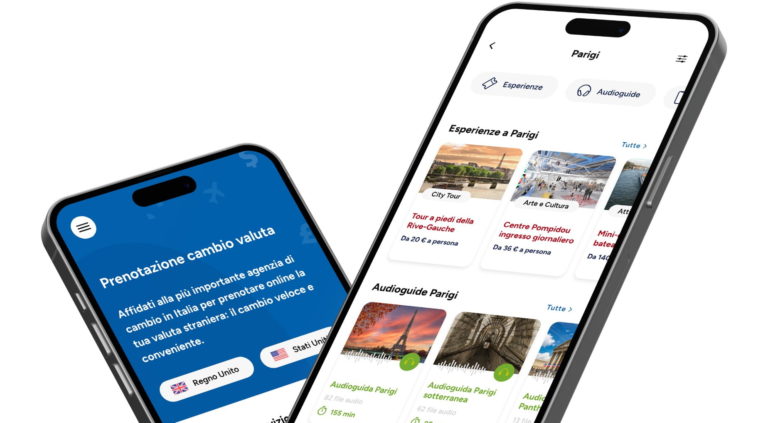
Because physical cash is so deeply woven into these local, everyday moments, arriving with a ready supply of Euros saves you from unnecessary friction. Instead of searching for random street kiosks with unpredictable rates, you can easily plan your currency needs ahead of time through Forexchange.
Forexchange allows you to look after your travel money with absolute transparency and ease:
- Lock in Real-Time Rates Online: You can use their intuitive online converter to check live rates and reserve your Euros in advance with zero hidden agency commissions.
- Effortless Physical Pick-Up: Once you book your currency online, you can choose a convenient time to collect your cash at any of their 70+ physical branches. Their locations are strategically placed in 21 historic city centers, 22 major railway hubs, and 28 airports across Italy, ensuring you can grab your pocket money the moment you arrive.
- Easy Returns: If you find yourself with remaining foreign currencies of Italy at the end of your holiday, or if you are a local heading abroad and need to swap your left-over foreign banknotes back into Euros, Forexchange handles your buy-back reservations with the exact same simplicity.
Two Final Habits of a Savvy Traveler
To keep your spending entirely hassle-free, keep these final local tips in mind. First, whenever a point-of-sale card reader asks whether you want to be billed in your home currency or the local currency, always select Euros. Choosing Euros allows your personal bank to calculate the conversion, protecting you from inflated merchant exchange fees. Second, make it a habit to keep a small “pocket buffer” of €10 to €20 in loose coins and small notes; it is invaluable for quick bottle-of-water purchases, public restrooms, or leaving a small token of appreciation for an exceptional local guide.
By getting to know the rhythm of daily spending and arranging your italian money ahead of time with a trusted service like Forexchange, you can stop focusing on the logistics and fully immerse yourself in the beauty of the Italian lifestyle. Buon viaggio!