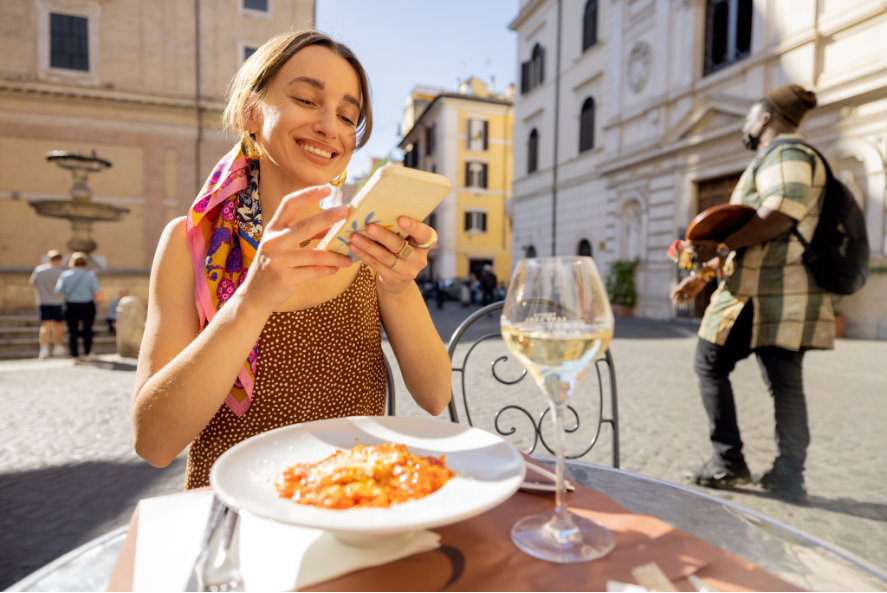
UNESCO recently recognised Italian cuisine as an Intangible Cultural Heritage of Humanity. This tribute highlights its history, regional diversity, and cultural influence. The recognition celebrates not only iconic recipes, but also the rituals, knowledge, and local identities shaping Italy’s food culture.
For travellers, food becomes a privileged gateway to understanding the country. From historic cities to small towns, from street food to refined regional specialities, Italian cuisine offers endless opportunities to experience the country in an authentic and memorable way. This guide explores some of Italy’s most representative culinary destinations, helping visitors plan itineraries where taste, culture, and travel naturally come together.
Rome: The Heart of traditional Italian Cuisine
Roman cuisine is built on simplicity and strong flavours, shaped by centuries of popular tradition. Dishes such as carbonara, amatriciana, cacio e pepe, and supplì reflect a culinary philosophy that prioritises quality ingredients and technique.
To fully experience the city’s food culture, the Roman Food Tour – Taste the Best of the City offers a guided journey through local trattorias, historic neighbourhoods, and street food traditions.
For travellers who prefer exploring independently, our Rome audioguide provides valuable cultural context, allowing visitors to connect culinary experiences with the city’s extraordinary historical heritage.
Milan and Lombardy: Between urban culture and regional traditions
Milanese cuisine mirrors the character of Lombardy: rich, comforting, and deeply connected to its territory. Signature dishes include risotto alla Milanese, cotoletta, and ossobuco, while the wider region adds further layers of flavour and identity. In Milan, food also becomes a social experience. The Drinks and Finger Food on a Boat on the Navigli tour offers a distinctive way to enjoy local flavours while discovering the city’s historic canals.
In nearby Bergamo, traditional recipes such as casoncelli highlight the area’s rural roots, while the Lake Como area is known for refined dishes based on freshwater fish and alpine ingredients.
Travellers wishing to explore beyond Milan can also join experiences such as the Lake Como and Bellagio – Full Day Trip from Milan, combining scenic landscapes with local gastronomy.
Venice and Verona: Flavours of Veneto
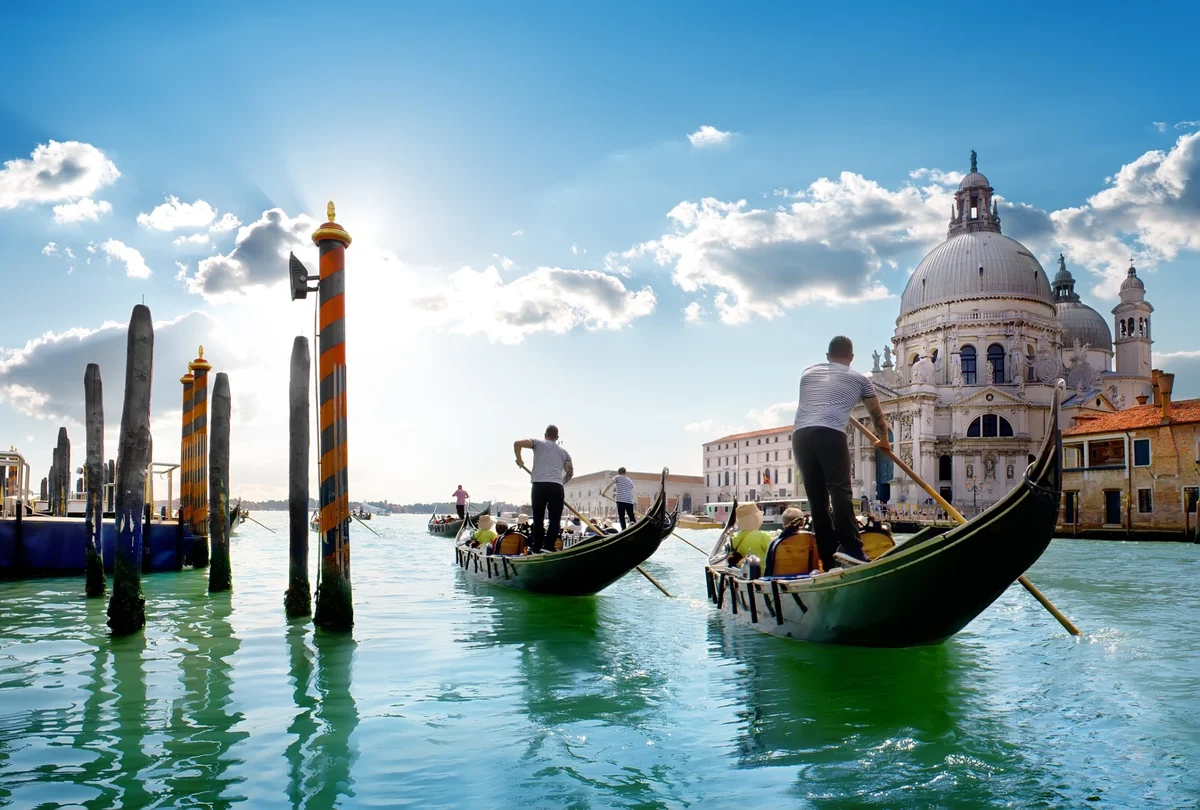
Venetian cuisine reflects centuries of maritime trade and lagoon life. Among its most emblematic dishes is fegato alla veneziana, a classic preparation of calf’s liver with onions that perfectly represents the balance of sweetness and intensity typical of the city’s cuisine. Other local specialities are often enjoyed as cicchetti, small bites traditionally served in Venetian wine bars.
Inland, Verona offers a different but equally distinctive culinary identity. The city and its surroundings are known for Tortellini di Valeggio, delicate stuffed pasta traditionally served with butter and sage, and for Pandoro, the iconic Christmas cake that originated here and has become famous worldwide.
Using audioguides for Venice and Verona allows travellers to explore these cities while discovering how history, trade, and geography have shaped their food traditions.
Florence and Tuscany: Simplicity, Street Food, and Wine Culture
Tuscan cuisine is grounded in respect for raw ingredients and rural traditions. In Florence, iconic dishes such as bistecca alla fiorentina, ribollita, and pappa al pomodoro coexist with a strong street food culture.
Among the most distinctive local products is finocchiona, a fragrant fennel-flavoured salami, often enjoyed as part of a simple yet flavourful meal. Equally emblematic is the famous lampredotto sandwich, Florence’s most traditional street food, still served today in historic food stalls across the city.
Wine plays a central role in the region’s identity. The Chianti Vineyards Escape from Florence with Two Wine Tastings offers travellers the chance to explore the Tuscan countryside while discovering one of Italy’s most renowned wine areas.
Turin and Piedmont: Refined flavours and culinary heritage
Turin and the Piedmont region are known for an elegant and deeply seasonal cuisine. Traditional dishes such as agnolotti, vitello tonnato, and bagna cauda reflect a strong connection to local produce and long-standing culinary rituals.
The city is also famous for its historic cafés and chocolate tradition, making it a key destination for travellers interested in refined food culture.
With the Turin audioguide, visitors can explore the city while gaining insight into how gastronomy, history, and aristocratic culture have influenced Piedmontese cuisine.
Naples and Campania: Where Italian Cuisine finds its soul
Naples is universally recognised as the birthplace of pizza, but its culinary heritage extends far beyond this iconic dish. Campanian cuisine is rich in tomatoes, fresh vegetables, seafood, and aromatic herbs, reflecting the region’s fertile land and coastal traditions. Using our Naples audioguide, travellers can explore the city while discovering how food, history, and daily life are deeply intertwined in one of Italy’s most vibrant culinary capitals.
Both Naples and nearby Caserta offer some of the best pizza experiences in southern Italy, each with its own style and local flavour. The area around Caserta is also closely associated with the production of buffalo mozzarella, one of southern Italy’s most celebrated products, making it a must-visit for any food enthusiast seeking authentic tastes beyond the city.
Bologna and Emilia-Romagna: Italy’s culinary heartland
Emilia-Romagna is often described as the gastronomic heart of Italy, renowned for its craftsmanship, quality ingredients, and rich culinary traditions. In Bologna, classic dishes such as tagliatelle al ragù, tortellini, and lasagne reflect centuries of perfected recipes that continue to delight locals and visitors alike.
The region is also famous for mortadella, a finely textured and delicately spiced cured meat that has become a symbol of Bologna’s culinary identity. From artisan markets to family-run trattorias, travellers can experience the full spectrum of flavours, from hearty pasta dishes to refined charcuterie.
Palermo and Catania: Sicily’s bold and vibrant cuisine
Sicilian cuisine is colourful, intense, and shaped by centuries of cultural exchange. In Palermo, street food plays a central role, with specialities such as panelle, sfincione, and arancine.
In Catania, similar traditions appear with local variations, including the famous debate between arancina and arancino, a small but meaningful symbol of Sicily’s strong regional identities.
From savoury dishes to iconic desserts like cannoli, Sicilian cuisine offers travellers a powerful expression of the island’s history and creativity.
Planning your culinary journey in Italy
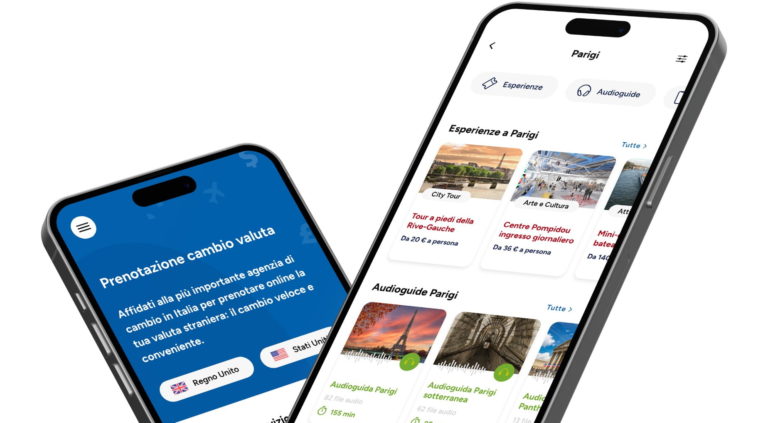
Travelling through Italy’s culinary regions is even more rewarding when every detail is taken care of in advance. Organising practical aspects before departure helps reduce stress and leaves more space for discovery and enjoyment. By booking your currency exchange online with Forexchange, you can collect it quickly and conveniently once you arrive, starting your journey with complete peace of mind.
Along the way, Forexchange supports travellers with a comprehensive range of services designed to enhance the travel experience. From tax refund assistance to digital audioguides, eSIM connectivity and tailored travel insurance options, everything is designed to make your journey smoother.